
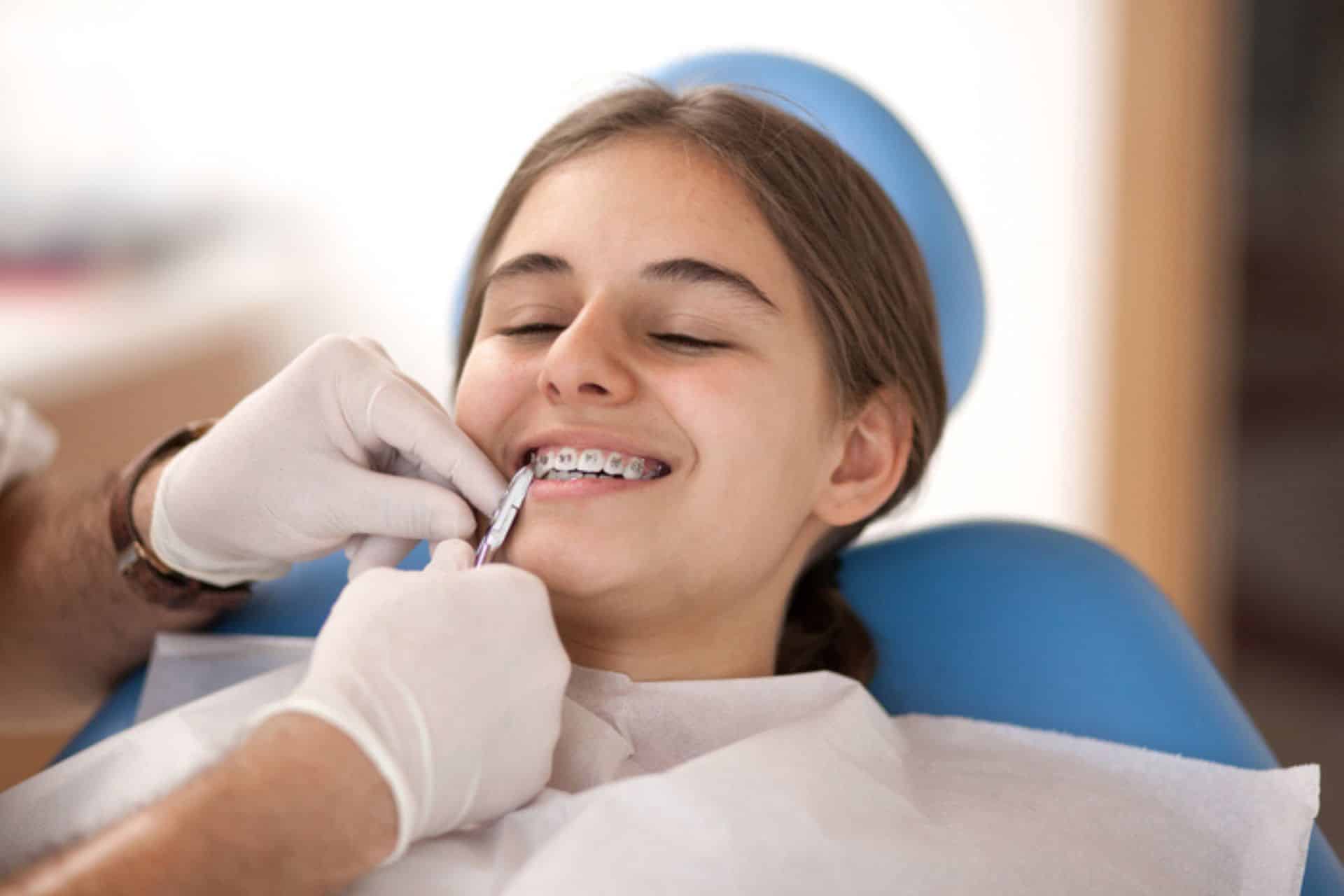
Most patients notice some level of discomfort early on, but it is typically mild and short-lived. This sensation is part of how your teeth gradually move into better alignment through controlled, precise adjustments.
For many people, the feeling is better described as pressure rather than pain.
Why Does Orthodontic Treatment Cause Discomfort?
Orthodontic appliances work by applying steady force to reposition teeth over time. This process affects the periodontal ligaments and surrounding bone, which respond through a process called bone remodeling.
As this biological response begins, you may feel soreness, especially after your appliances are first placed or adjusted.
This type of orthodontic discomfort is a normal part of treatment progress. According to the American Association of Orthodontists, tooth movement happens gradually and safely as pressure is applied.
At Moss Wall Orthodontics in Lacey, WA, Dr. Kevin C. Moss and Dr. Matthew D. Wall carefully design each treatment plan to ensure tooth movement is efficient while minimizing unnecessary discomfort.
What Does the First Week Feel Like?
The initial phase of treatment is when most patients notice changes in sensation.
Here is a general braces pain timeline:
- Day 1 to 3: Teeth may feel tender, especially when chewing
- Day 3 to 5: Sensitivity begins to decrease as the ligaments adjust
- After 1 week: Most patients feel significantly more comfortable
During this time, your body is responding to new forces placed on the teeth. The periodontal ligaments begin adapting, and the surrounding bone starts reshaping to support the new positioning.
Follow-up adjustments typically feel milder because your mouth has already adapted to the treatment process.
How Do Kids and Teens Experience Treatment?
Parents often ask how younger patients handle orthodontic care.
Children usually adjust quickly because their tissues respond efficiently to tooth movement. Teens may experience slightly more awareness of pressure at first, but both groups generally adapt well within the first one to two weeks.
The key difference is not pain level, but how quickly the body responds to these changes.
How to Stay Comfortable During Treatment?
There are several ways to reduce discomfort and make the transition smoother:
- Choose soft foods like yogurt, mashed potatoes, smoothies, and soup
- Use orthodontic wax to prevent irritation from brackets or wires
- Take over the counter pain relief if recommended
- Avoid hard or sticky foods that can increase sensitivity
Consistently following care instructions helps your treatment progress more smoothly and comfortably.
What Changes Can You Expect in Daily Life?
Starting orthodontic treatment introduces small changes to your routine, especially in the first couple of weeks.
Eating and oral hygiene may require more attention at first. This is not just due to the appliances themselves, but also because your teeth are responding to new forces.
As your body adjusts to these changes:
- Brushing and flossing become more efficient
- Food choices feel more predictable
- Speaking returns to normal
Patients in Lacey, Olympia, and Tumwater often find that these adjustments become second nature over time.
Will Treatment Affect Activities?
Orthodontic care is designed to support your lifestyle, not limit it.
You can continue to:
- Play sports with a mouthguard
- Participate in music or band
- Stay socially active
There may be a short period of adjustment, especially for activities that involve the mouth, but this typically improves as your body becomes accustomed to the appliances.
Are the Long-Term Benefits Worth It?
While the beginning of treatment may involve some sensitivity, the long-term benefits are significant.
Proper alignment can:
- Improve oral hygiene
- Reduce the risk of cavities and gum issues
- Support better bite function and speech
Beyond oral health, many patients experience a noticeable boost in confidence as their smile improves.
Trusted Orthodontic Care in Lacey, WA
At Moss Wall Orthodontics, patients benefit from decades of combined experience and a personalized approach to care.
Dr. Kevin C. Moss has over 26 years of private practice experience, along with a background in dental research and neuromuscular occlusion. He has lectured across the United States and maintains active membership in leading professional organizations.
Dr. Matthew D. Wall focuses on building long-term patient relationships and delivering individualized treatment. With advanced training in dentofacial orthopedics and active involvement in multiple orthodontic associations, he is committed to providing thoughtful, patient-centered care.
Together, they create treatment plans that prioritize comfort, precision, and long-term results for patients throughout Lacey and nearby communities.
Ready to Start Your Braces Journey in Lacey, WA?
Orthodontic treatment is a carefully controlled process designed to move your teeth safely and efficiently over time. While you may notice some sensitivity early on, it reflects how your body is responding to treatment at a biological level.
With the right orthodontic team and a personalized approach, the experience is more manageable than many patients expect, and the results can have a lasting impact on your oral health and confidence.
Moss Wall Orthodontics is conveniently located in Lacey, WA and proudly welcomes new patients from Lacey, Olympia, Tumwater, and surrounding areas.
Schedule your consultation today at Moss Wall Orthodontics in Lacey, WA to explore your treatment options and take the first step toward a healthier, more confident smile.
