
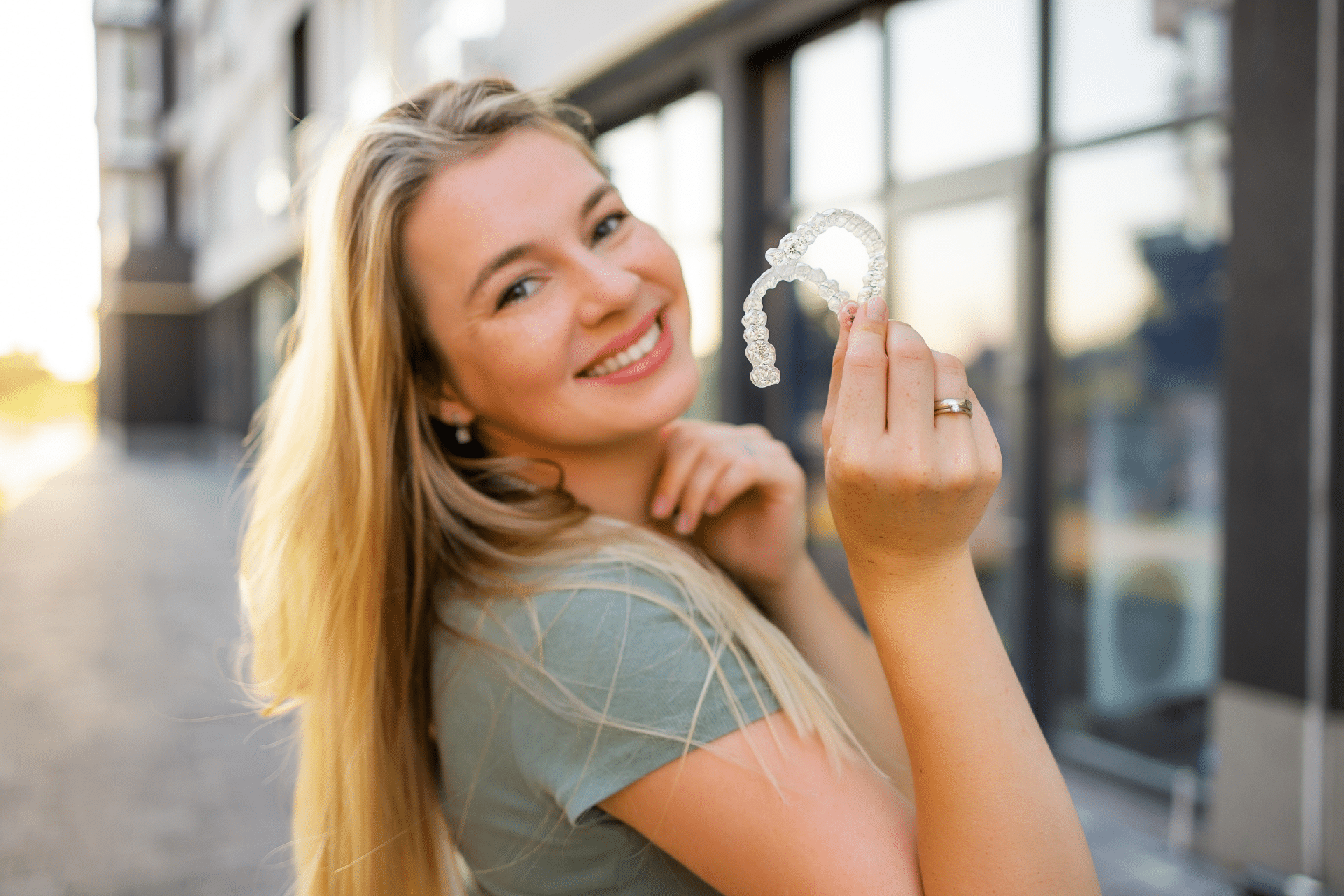
At Moss Wall Orthodontics, Dr. Kevin C. Moss and Dr. Matthew D. Wall evaluate the bite, tooth positions, jaw relationship, and amount of movement needed before recommending Invisalign, braces, or another orthodontic option.
What Makes a Bite Problem Complicated?
A complicated bite problem affects more than whether the front teeth look straight. It can involve how the upper and lower teeth meet, how the back teeth touch, how much space is available, and whether certain teeth are rotated, tilted, or blocked out.
The American Association of Orthodontists explains that common bite problems include overbite, underbite, crossbite, open bite, crowding, and spacing. Some patients have more than one concern at the same time, which can make planning more detailed.
These issues matter because tooth contact affects chewing, tooth wear, comfort, and long-term stability. A smile can look straighter from the front but still need better alignment for a healthier result. That is why an in-person exam is important, even when the concern looks simple in the mirror.
When Can Invisalign Help With Bite Correction?
Invisalign can be a good option when the needed movement can be planned in a clear sequence and the patient can wear the aligners consistently. Aligners move teeth gradually with custom trays, and attachments or elastics may be used when extra guidance is needed.
Some patients with crowding, spacing, mild to moderate bite imbalance, or certain tooth-position issues may be good candidates. Clear aligner treatment can also work well when the main concern is tooth position rather than a jaw relationship that needs more advanced correction.
Invisalign is removable, which can make daily life easier during meals, brushing, flossing, photos, and special events. For teens and adults in Lacey, WA and surrounding communities, that flexibility can be a major benefit. The key is wearing the trays as directed so the teeth stay on track.
When Are Braces Better Than Invisalign?
Braces may be better than Invisalign when the teeth need stronger guidance, larger movement, major rotations, vertical changes, or more complex correction. Because braces are fixed to the teeth, they work all day and allow detailed adjustments during the process.
This does not mean Invisalign is only for simple smiles. It means the orthodontic tool should match the movement. Some teeth need more direct force than a removable tray can provide, especially when they are severely turned, high or low in the arch, or far from where they need to be.
Braces may also be recommended when correcting the bite depends on coordinated changes across many teeth at once. In some cases, brackets and wires can create a more stable path.
How Do Orthodontists Decide Between Invisalign and Braces?
Orthodontists decide between Invisalign and braces by looking at the teeth, bite pattern, jaw relationship, gum health, age, smile goals, and patient habits. A severe-looking case is not always impossible for aligners, and a straighter-looking case is not always simple.
During an exam, the orthodontist may check your tooth contact, how crowded the arches are, and whether any teeth need movement that is harder for aligners to manage. They may also consider whether the patient is still growing, since growth can affect correction for children and teens.
Lifestyle matters too. Invisalign can be a strong choice for a patient who can wear trays most of the day and follow instructions closely. Braces may be a better fit for someone who wants an option that stays in place without managing removable trays.
Ready to Find Out If Invisalign Can Help Your Bite?
If you are dealing with crowding, an overbite, underbite, crossbite, open bite, or another orthodontic concern, a consultation can help you understand which option makes the most sense. The right recommendation depends on your bite pattern, the amount of movement needed, and whether clear aligners can support your smile goals.
At Moss Wall Orthodontics in Lacey, WA, Dr. Moss and Dr. Wall can explain whether Invisalign, braces, or another orthodontic plan is likely to give your smile and bite the right level of support. Schedule a consultation today to get personalized guidance and take the next step toward a healthier, more confident smile.
